

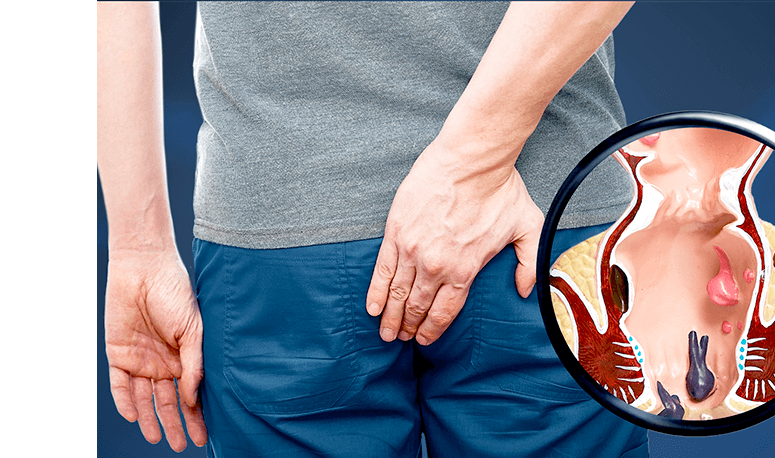
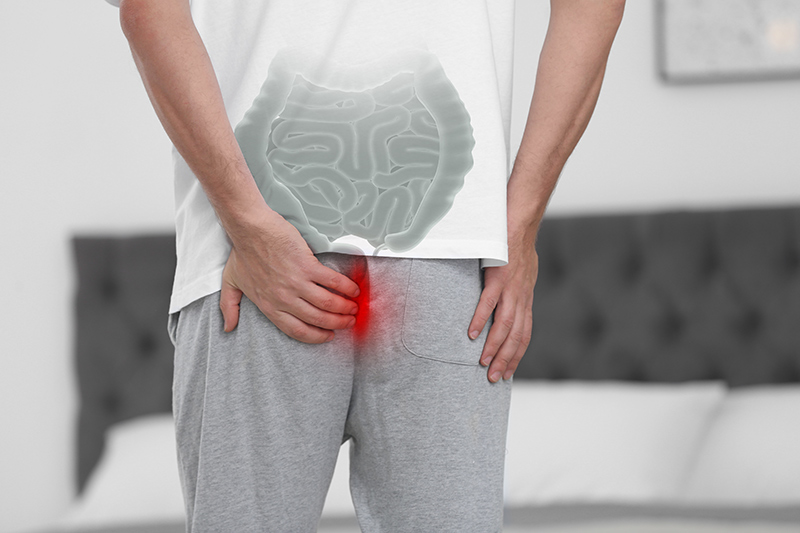



When you have Crohn's disease, your immune system can cause deep inflammation that tunnels through the entire thickness of the bowel wall. This process creates abnormal passages, known as fistulas, that connect the anal canal to the skin. Unlike a typical infection that clears up after it's drained, these tunnels are a direct result of the body's ongoing internal inflammation.
Unfortunately, because the disease stays active in the surrounding tissue, simple surgical repairs often fail to hold. Without a specialised plan that targets the root cause of the inflammation, patients often find themselves stuck in a cycle where the fistula keeps returning, or new ones begin to form.
Therefore, breaking this cycle requires more than just a standard procedure; it demands a deeper understanding of how Crohn's transforms a simple tract into a complex, persistent challenge that must be managed from both a medical and surgical perspective.
How Crohn's Inflammation Creates Fistula Tracts
Understanding why Crohn's fistulas are so persistent begins with understanding how the disease affects the physical structure of the bowel. Unlike a surface-level infection, this inflammation behaves more like a deep-seated erosion of the tissue.
Transmural Ulceration
Unlike typical infections that only affect the surface, Crohn's-related inflammation is transmural. This means it penetrates through every layer of the bowel wall. As this deep inflammation erodes the tissue, it creates narrow, tunnel-like passages that bore through the muscle and fat until they reach an exit point, usually the skin near the anus. These tunnels become established tracts that refuse to heal because the surrounding tissue remains in a state of active disease.
Complex vs. Simple Tracts
Standard fistulas are often simple, following a single, direct path from the inside to the outside. In contrast, fistulas in patients with inflammatory bowel disease (IBD) are frequently complex. These tracts are known for being multi-branched, resembling the roots of a tree rather than a straight pipe. They often reach much higher into the pelvic muscles and can have multiple openings, making them significantly harder to map and treat with traditional surgical methods.
Why Standard Surgical Repairs Often Fail in Crohn's Patients
Standard surgical procedures are less likely to succeed in active Crohn's disease because the problem isn't just the physical tunnel itself, but the inflamed environment surrounding it. When the tissue is actively diseased, it lacks the structural integrity and biological resources needed to heal after a surgeon intervenes.
Active Proctitis
If the rectal lining remains red and inflamed, the internal opening of the fistula is unable to knit back together properly. Any surgical attempt to close the tract will likely fail because the diseased tissue lacks the integrity needed to support a permanent seal, causing the repair to break down almost immediately.
Impaired Wound Healing
Systemic immune dysfunction and potential malnutrition—both common in IBD patients—hinder the body's natural ability to recover from surgery. This weakened healing response means that even a technically perfect procedure can be compromised by the body's inability to repair itself and close the wound effectively.
Mapping Complexity: The Diagnostic Roadmap
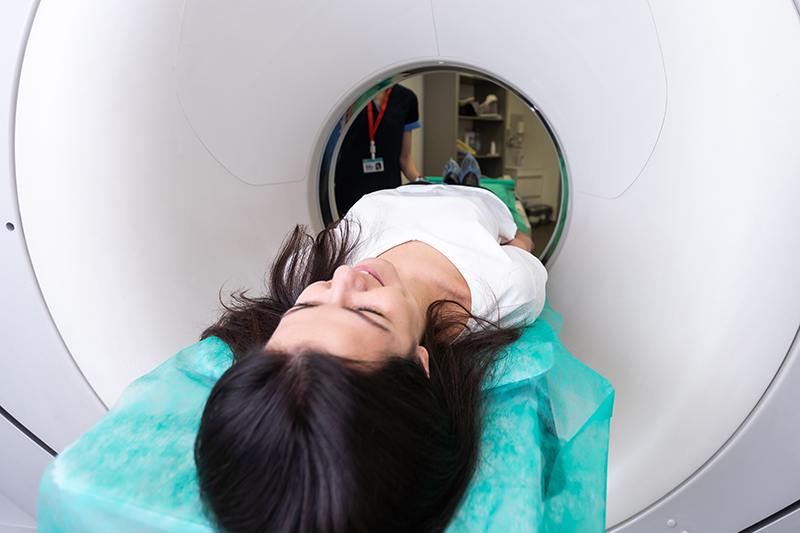
Before any anal fistula treatment begins, a precise map of the fistula's anatomy is essential. Because Crohn's fistulas are frequently complex and multi-branched, a standard physical examination is rarely enough to capture the full extent of the disease.
Some of the common diagnostic procedures utilised include:
Precision Imaging
Accurate diagnosis requires advanced imaging, such as a pelvic MRI or endoanal ultrasound (EUS), to identify secondary tracts and hidden abscesses. These tools allow surgeons to see deep into the pelvic muscles, helping to identify hidden or secondary tracts that may otherwise be missed.
The Role of a Colonoscopy
A colonoscopy is a critical prerequisite for any permanent surgical intervention. By assessing the health of the rectal lining, specialists can determine if there is active inflammation (proctitis) present. If the rectum is diseased, the risk of surgical failure is extremely high, making it necessary to control the inflammation medically before attempting to close the fistula.
A Dual Approach: Integrating Medicine and Surgery
Achieving long-term healing in Crohn's patients requires a coordinated strategy that addresses both the physical tract and the biological disease. Treating one without the other often results in a cycle of failed surgeries and recurring infections.
Medical and Surgical Synergy
The most effective treatment involves using biologics, such as anti-TNF agents, to quieten systemic inflammation before attempting a mechanical repair. These medications work from the inside out to heal the diseased tissue, making the environment much more receptive to surgery. By lowering the inflammatory burden first, the chances of the fistula tract successfully closing and staying closed are significantly improved.
Surgical Strategy
While medication addresses the inflammation, the surgical strategy often prioritises control of infection and inflammation before definitive repair. This frequently involves the placement of long-term draining setons—small, flexible loops placed through the fistula tract. These setons keep the 'plumbing' open to prevent the buildup of pus and the formation of painful abscesses, allowing the medication time to dry up the tract and prepare the area for repair.
Explore Your Options with Colorectal Practice (Anal Fistula)
Managing anal fistulas in the context of Crohn's disease requires a shift in focus from quick fixes to sustainable, long-term healing. By integrating advanced medical therapies with precise surgical techniques, it's possible to break the cycle of recurrence and protect your quality of life.
At Colorectal Practice (Anal Fistula), we specialise in navigating these complex cases through a dual-action approach tailored to each patient's unique inflammatory profile. If you're struggling with a persistent or recurring fistula, our surgeons are here to help you develop a comprehensive roadmap toward recovery.
Don't let chronic inflammation dictate your comfort. Get in touch with us to book an appointment or learn more about our specialised treatment philosophies today.
FAQs About Crohn's Disease and Anal Fistulas
Dr Dennis Koh
Medical Director & Senior Consultant Surgeon
B Med Sci (Nottingham), MBBS (Nottingham)
MMed (Surgery), FRCS (Edinburgh), FAMS
Dr Dennis Koh is an MOH-accredited and experienced colorectal surgeon skilled in anal fistula treatment; and currently the Medical Director at Colorectal Practice.
Dr Koh strives to provide a customized treatment plan for each patient, which allows for better outcomes. He also honed his skills in proctology abRd in Geneva, bringing a more diverse touch to his practice.
Dr Sharon Koh Zhiling
Senior Consultant Surgeon
MBBS (Singapore), MMed (Surgery),
FRCS (Edinburgh), FAMS
Dr Sharon Koh is an experienced colorectal surgeon and the former Director of Endoscopy at Alexandra Health.
Dr Koh completed her fellowship at Cedars-Sinai Medical Centre in the US after being awarded the Academic Medicine Development Award by the National University Hospital.
Dr Pauleon Tan Enjiu
Senior Consultant Surgeon
MBBS (Singapore), MMed (Surgery),
FRCS (Edinburgh), FACS
Dr Pauleon Tan has served in public hospitals for over 15 years and is experienced in minimally invasive surgery and endoscopy.
Dr Tan undertook advanced colorectal surgical training at Japan’s Saitama International Medical Center after being awarded the Ministry of Health – Health Manpower Development Plan (HMDP) Award.