

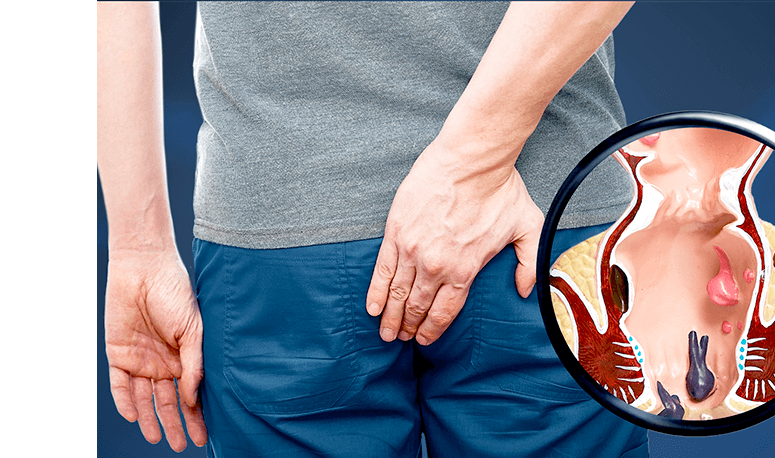




An anal abscess can feel like a problem that has been dealt with once the swelling subsides or the trapped pus has been drained. However, in some cases, a tract remains between the anal canal and the surrounding skin after the abscess has drained. This persistent tract is known as an anal fistula.
Someone who has previously had an anal abscess may therefore notice pain, swelling or discharge returning in the same area. These recurring symptoms can indicate that the area has not completely healed and may warrant further assessment.
What Is an Anal Abscess?
An anal abscess is a pus-filled cavity that develops in the tissue around the anus or rectum. Some form close to the skin and cause visible swelling, while deeper abscesses may be less obvious externally.
How Does an Anal Abscess Form?
Many anal abscesses develop when one of the small glands inside the anus becomes blocked. Bacteria can multiply within the gland, allowing the infection to extend into nearby tissue and create a pocket of pus.
What Are the Common Symptoms of an Anal Abscess?
An anal abscess commonly causes persistent or throbbing pain that may worsen when sitting or passing stool. An abscess close to the skin may also produce a visible lump or swelling, while a deeper abscess may cause pelvic or rectal discomfort without obvious external swelling. Fever or feeling generally unwell can occur when infection is more significant.
How Does an Anal Abscess Develop Into a Fistula?
An anal abscess and an anal fistula are related but distinct conditions. Whether one follows the other depends on how the affected area heals after drainage.
What Happens After the Abscess Is Drained?
An abscess may drain spontaneously or be opened surgically to release the pus. Afterwards, the abscess cavity can begin to heal. In some cases, however, the internal opening in the anal canal remains connected to the area where the abscess drained.
How Does the Remaining Tract Become a Fistula?
If this connection stays open, it can develop into a persistent channel between the anal canal and the surrounding skin. This tract is known as an anal fistula.
Does Every Anal Abscess Lead to a Fistula?
No. Many anal abscesses heal after drainage without forming a fistula. However, a fistula can still develop when the underlying connection remains open, even when the original abscess was appropriately drained. It may not always be possible to predict at the time of drainage whether this will happen.

What Are the Signs an Anal Fistula May Have Formed?
An anal fistula may become noticeable after an abscess has drained or appeared to heal. One clue is that symptoms continue or return in the same area rather than resolving completely.
Possible signs include:
- Recurring pain or swelling near the anus
- Repeated discharge of pus or fluid from an opening near the anus
- Irritation or soreness of the surrounding skin
- A cycle in which swelling builds up, drains and then returns
These symptoms do not confirm an anal fistula on their own. A colorectal assessment can help determine whether a persistent tract is present or whether another problem is causing the symptoms.
How Is an Anal Fistula Treated?
Unlike an abscess, which is treated by draining the collection of pus, an established anal fistula often requires a procedure to address the persistent tract. The treatment approach depends on the fistula’s anatomy and how much of the anal sphincter muscle is involved, as these muscles are important for bowel control.
Fistulotomy
A fistulotomy involves opening the fistula tract along its length so that it can heal gradually from the inside out. It may be considered for fistulas where the tract can be opened without dividing a significant amount of sphincter muscle.
Seton Placement
A seton is a surgical thread or similar material placed through the fistula tract. It may be used to maintain drainage and manage the fistula while reducing the need to divide sphincter muscle. Depending on the fistula and treatment approach, further treatment may be planned later.
Sphincter-Preserving Treatment Options
For fistulas that involve more of the sphincter muscle, sphincter-preserving procedures may be considered to address the tract while limiting disruption to the muscles involved in bowel control. One option is an advancement flap, in which tissue is used to cover the internal opening of the fistula. The appropriate approach depends on the fistula’s anatomy and other relevant clinical findings.
Get Persistent Symptoms Checked by Our Colorectal Surgeons
Recurring pain, swelling or discharge after an anal abscess may indicate that the area has not fully healed. If an anal fistula is suspected, assessment can help determine whether a persistent tract is present and how it relates to the anal sphincter muscles before treatment is considered.
At our specialist clinic for anal fistula treatment, patients with suspected or confirmed anal fistulas can undergo colorectal assessment and discuss the treatment options that may be appropriate for the fistula identified. Our colorectal surgeons, Dr Dennis Koh, Dr Sharon Koh Zhiling and Dr Pauleon Tan Enjiu, assess the fistula’s anatomy and sphincter involvement when considering treatment, with the aim of addressing the tract while preserving bowel control where possible.
If symptoms have persisted or returned after an anal abscess, book an appointment with our team for an assessment.
FAQs About Anal Abscesses and Anal Fistulas
Dr Dennis Koh
Medical Director & Senior Consultant Surgeon
B Med Sci (Nottingham), MBBS (Nottingham) MMed (Surgery), FRCS (Edinburgh), FAMS
Dr Dennis Koh is an MOH-accredited and experienced colorectal surgeon skilled in anal fistula treatment; and currently the Medical Director at Colorectal Practice.
Dr Koh strives to provide a customized treatment plan for each patient, which allows for better outcomes. He also honed his skills in proctology abRd in Geneva, bringing a more diverse touch to his practice.
Dr Sharon Koh Zhiling
Senior Consultant Surgeon
MBBS (Singapore), MMed (Surgery),
FRCS (Edinburgh), FAMS
Dr Sharon Koh is an experienced colorectal surgeon and the former Director of Endoscopy at Alexandra Health.
Dr Koh completed her fellowship at Cedars-Sinai Medical Centre in the US after being awarded the Academic Medicine Development Award by the National University Hospital.
Dr Pauleon Tan Enjiu
Senior Consultant Surgeon
MBBS (Singapore), MMed (Surgery),
FRCS (Edinburgh), FACS
Dr Pauleon Tan has served in public hospitals for over 15 years and is experienced in minimally invasive surgery and endoscopy.
Dr Tan undertook advanced colorectal surgical training at Japan’s Saitama International Medical Center after being awarded the Ministry of Health – Health Manpower Development Plan (HMDP) Award.