

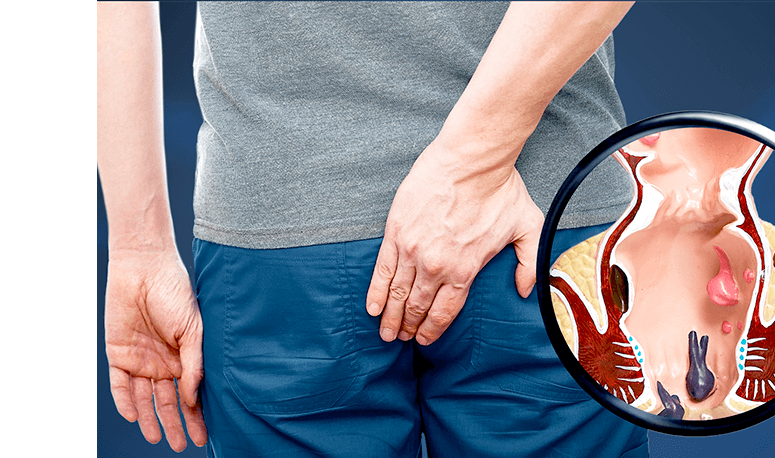




Seton placement is a medical procedure commonly recommended for treating complex anal fistulas. This technique involves inserting a specialised thread or device into the fistula tract to promote healing and manage symptoms. Like any medical procedure, seton placement has advantages and potential drawbacks. By understanding how the treatment works, along with its benefits and limitations, patients can make informed decisions about their care.
What Is Complex Anal Fistula?
A complex anal fistula is a more advanced form of anal fistula that extends deeper and may involve critical structures around the anus. It is defined as an abnormal tract between the anal canal and the skin that usually results from an abscess that did not heal properly and does not resolve on its own without treatment. While simple anal fistulas often follow a single, straightforward path, complex fistulas may have multiple branches or pass through or near the anal sphincter muscles, making them more challenging to treat.
What Is a Seton?
A seton is a flexible medical device placed into a fistula tract to keep it open and allow continuous drainage of pus or infection. It is commonly made from surgical suture material, rubber bands or silicone tubing, depending on the clinical needs.
Seton placement helps control inflammation and infection, making the area more manageable for further treatment or healing. An anal fistula specialist may recommend this approach as part of a comprehensive treatment plan for complex or recurrent fistulas.
What Are the Different Types of Seton?
Seton placement can be customised depending on the type and complexity of the fistula. The two primary types are:
1. Loose Seton
A loose seton is primarily used to drain the fistula without applying any pressure to surrounding tissues. It allows continuous drainage of pus and infection while minimising damage to the anal sphincter muscles.
2. Tight/Cutting Seton
A tight, or cutting, seton applies gradual tension to the fistula tract to help it close over time. As the seton slowly tightens, it encourages controlled healing while allowing drainage to continue. However, this approach carries a higher risk of complications, including incontinence, so it is typically reserved for selected cases.
What to Expect During Seton Placement
Seton placement is typically performed under local or general anaesthesia. Before the procedure, the surgeon assesses the fistula's anatomy and complexity through clinical examination and, where needed, imaging tests such as an MRI.
During the operation, the surgeon passes the seton through the fistula tract and secures it in place. Depending on the treatment plan, the surgeon may leave the seton loose to allow ongoing drainage or tighten it gradually over time.
Patients may experience some discomfort immediately after the procedure, but this can often be managed with prescribed pain relief. Regular follow-ups with the surgeon are necessary to monitor healing progress and make adjustments if required.
What Are the Benefits of Seton Placement?
Seton placement offers several benefits in the treatment of anal fistulas. These include:
Supports Ongoing Drainage and Reduces Infection Risk
One of the primary benefits of a seton is its ability to keep the fistula open, allowing continuous drainage of pus or infection. This prevents the formation of painful abscesses and helps reduce overall inflammation.
Helps Relieve Pain and Discomfort
By draining infection and promoting healing, a seton can significantly decrease pain and swelling associated with anal fistulas. Over time, patients often experience relief from the discomfort associated with these symptoms.
Protects Sphincter Muscles
Unlike more invasive surgical options, seton placement is designed to protect the anal sphincter muscles. This reduces the risk of incontinence and helps maintain normal bowel function.
Prepares the Area for Further Surgery
For some patients, seton placement is a preparatory step before undergoing more definitive surgical procedures such as fistulotomy or advancement flap surgery. By controlling infection and stabilising the area, the seton improves the chances of a successful outcome in subsequent treatments.
Suitable for Complex or High Anal Fistulas
Setons are particularly effective for managing complex fistulas or those located higher in the anal canal. They allow for controlled healing and help minimise the risk of complications, making them a preferred option in these challenging cases.
What Are the Downsides and Risks of Seton Placement?
While effective, seton placement comes with certain challenges and risks that patients should carefully consider before undergoing the procedure. Potential disadvantages include:
Discomfort or Irritation in the Anal Area
The presence of a foreign object in the anal region can cause some level of discomfort or irritation. This is often temporary but may be bothersome for certain patients.
Prolonged Presence
Setons may need to remain in place for several weeks or months depending on the complexity of the fistula. This extended duration can be inconvenient and may require adjustments over time.
Infection or Inflammation Around the Site
Although rare, the seton itself may sometimes cause localised inflammation or infection. Regular cleaning and follow-up appointments are essential to minimise these risks.
Incomplete Fistula Repair
While seton placement helps manage symptoms and control infection, it may not fully resolve the fistula in all cases. Some patients may still require additional anal fistula surgery to achieve full healing.
Hygiene Challenges and Lifestyle Adjustments
Living with a seton requires maintaining good hygiene, which can be challenging for some patients. Additional care is needed during bowel movements and lifestyle adjustments may be necessary to avoid irritation or complications.
What Happens After a Seton Placement?
Patients can support recovery by keeping the area clean with warm water after bowel movements. Absorbent pads or dressings may be used to manage drainage and reduce skin irritation.
Mild discomfort is common and can often be relieved with over-the-counter pain medication. However, medical review is recommended if pain increases or new symptoms develop. Wearing loose-fitting clothing and avoiding prolonged sitting may also help reduce irritation. With proper care and regular follow-up, most patients can manage symptoms effectively while the seton remains in place.
Who Should Consider a Seton Placement?
Seton placement is typically recommended for patients with complex anal fistulas, particularly when the fistula tract involves a significant portion of the anal sphincter muscles. In these cases, performing a full fistulotomy may carry a higher risk of affecting bowel control. A seton helps manage the condition while preserving sphincter function.
You may be a suitable candidate for seton placement if you:
- Have a fistula that passes through a large portion of the sphincter muscle.
- Have a recurrent anal fistula after previous surgery.
- Present with ongoing infection or inflammation that needs controlled drainage.
- Have multiple or branching fistula tracts.
Speak to a Colorectal Specialist About Your Options
If you have been diagnosed with an anal fistula or are experiencing persistent symptoms, seeking early evaluation from a colorectal specialist is important. A proper assessment helps determine whether seton placement or another surgical approach is most suitable based on the complexity of your condition. Timely and personalised treatment can improve healing outcomes while preserving long-term bowel control.
Our anal fistula clinic is dedicated to personalised care for a full range of colorectal conditions. The practice is helmed by Dr Dennis Koh, Medical Director and Senior Consultant Colorectal Surgeon trained in the UK and Singapore, and supported by Dr Sharon Koh, who specialises in minimally invasive surgery, advanced endoscopy and inflammatory bowel disease, as well as Dr Pauleon Tan, who is experienced in both open and laparoscopic colorectal procedures. Schedule a consultation with us if you are considering seton placement or exploring your options for anal fistula treatment.
Dr Dennis Koh
Medical Director & Senior Consultant Surgeon
B Med Sci (Nottingham), MBBS (Nottingham)
MMed (Surgery), FRCS (Edinburgh), FAMS
Dr Dennis Koh is an MOH-accredited and experienced colorectal surgeon skilled in anal fistula treatment; and currently the Medical Director at Colorectal Practice.
Dr Koh strives to provide a customized treatment plan for each patient, which allows for better outcomes. He also honed his skills in proctology abRd in Geneva, bringing a more diverse touch to his practice.
Dr Sharon Koh Zhiling
Senior Consultant Surgeon
MBBS (Singapore), MMed (Surgery),
FRCS (Edinburgh), FAMS
Dr Sharon Koh is an experienced colorectal surgeon and the former Director of Endoscopy at Alexandra Health.
Dr Koh completed her fellowship at Cedars-Sinai Medical Centre in the US after being awarded the Academic Medicine Development Award by the National University Hospital.
Dr Pauleon Tan Enjiu
Senior Consultant Surgeon
MBBS (Singapore), MMed (Surgery),
FRCS (Edinburgh), FACS
Dr Pauleon Tan has served in public hospitals for over 15 years and is experienced in minimally invasive surgery and endoscopy.
Dr Tan undertook advanced colorectal surgical training at Japan’s Saitama International Medical Center after being awarded the Ministry of Health – Health Manpower Development Plan (HMDP) Award.