

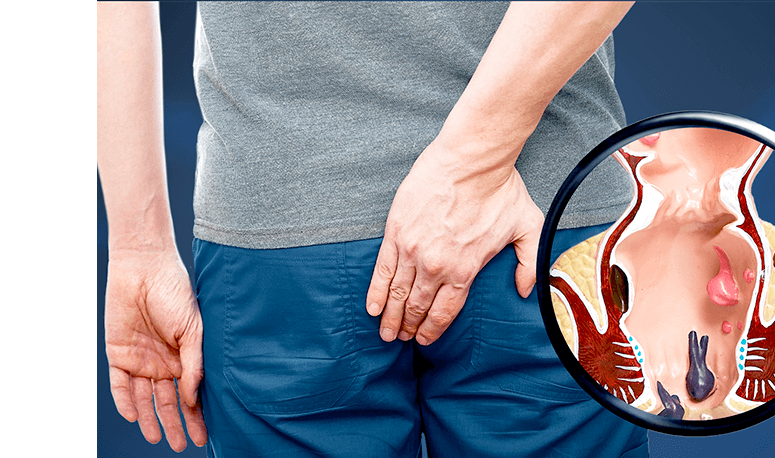
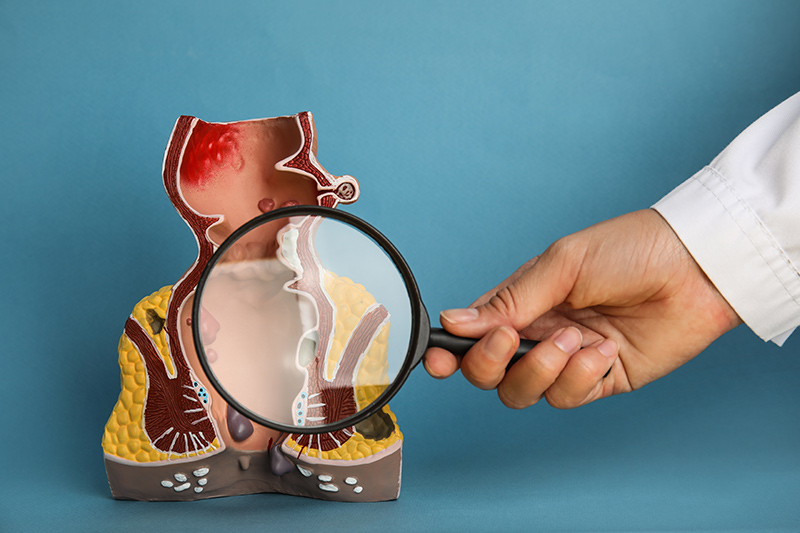



Anal fistula is a medical condition that many people are reluctant to discuss, often due to embarrassment or misconceptions. A fistula is an abnormal tunnel that forms between the anal canal and the skin surrounding the anus, commonly arising from an infection or abscess. This condition can cause significant discomfort, ranging from discharge to recurrent infections and may affect an individual’s quality of life if left untreated.
Common Myths vs Facts About Anal Fistula
Anal fistula treatments are often surrounded by myths and misunderstandings, which can discourage individuals from seeking timely medical care. Separating common misconceptions from evidence-based information is important for improving understanding of the condition and supporting informed treatment decisions.
Myth 1: Anal Fistulas Always Heal on Their Own
Anal fistulas are typically persistent and often result from chronic infections or complications. While the symptoms may temporarily subside, the underlying issue, often an infection or abscess, remains untreated. Over time, this can lead to the development of more severe symptoms, such as pain, recurrent infections and even the formation of additional tracts.
Myth 2: They Are Caused by Poor Hygiene
Some believe that anal fistulas develop entirely due to poor personal hygiene. While maintaining good hygiene is important for overall health, it is not a direct cause of fistulas. Most fistulas are linked to medical conditions such as anal abscesses, Crohn’s disease, tuberculosis or other underlying inflammatory conditions. Poor drainage of infected anal glands is a common initial step in fistula formation.
Myth 3: Only People With Anal Sex Get Anal Fistulas
A common misconception is that anal fistulas are primarily caused by engaging in anal sex. However, fistulas can occur in anyone, regardless of sexual activity. They typically develop as a result of infections, abscesses or conditions such as inflammatory bowel disease.
Myth 4: Fistulas Are the Same as Haemorrhoids
While haemorrhoids and anal fistulas share certain symptoms, they are fundamentally different conditions. Haemorrhoids are swollen blood vessels in the rectum or anus that can cause discomfort, itching or bleeding. Anal fistulas, by contrast, are infected tunnels that connect the inside of the anus to the skin.
Myth 5: Surgery for Anal Fistulas Is Always Risky and Painful
Many people assume that surgery for anal fistulas is highly risky or leads to significant pain. However, advancements in medical technology have made these procedures more effective and less invasive. Modern techniques, such as laser ablation or video-assisted procedures, can help reduce pain, shorten recovery time and lower the risk of complications.
Myth 6: If There Is No Pain, Fistulas Do Not Need Treatment
Pain is a common symptom of anal fistulas, but not all cases involve severe discomfort. Some individuals may experience minimal symptoms, such as occasional discharge or irritation, while others face more noticeable pain. However, the absence of pain does not mean the fistula can be ignored. Even if the condition seems mild, it is important to seek medical evaluation.
Myth 7: Once Treated, Fistulas Never Come Back
While effective treatment options are available for anal fistulas, there is still a possibility of recurrence. Factors such as fistula complexity, underlying conditions and the treatment method used can influence the risk of recurrence. Some patients may require additional interventions if the fistula reopens or if new infections develop.
When to See a Doctor for Anal Fistula Treatment?
Early assessment helps manage anal fistulas effectively and reduces the risk of complications. A medical review is recommended if any of the following symptoms occur:
- Persistent or recurrent pain around the anus.
- Pus or blood discharge from an opening near the anus.
- A history of recurrent anal abscesses or infections
- Symptoms suggestive of inflammatory bowel disease, such as diarrhoea or abdominal pain.
Anal fistulas are manageable conditions, especially when diagnosed and treated early. Acting on accurate information supports symptom control and may lead to an improved quality of life.
Understanding the Facts for Better Health Outcomes
Access to accurate information about anal fistulas empowers individuals to recognise symptoms early and seek appropriate medical care without unnecessary fear or stigma. Separating myths from facts allows patients to make informed decisions about treatment options and long-term management. With timely evaluation and appropriate care, most anal fistulas can be effectively managed, helping to restore comfort and quality of life.
Our anal fistula clinic is dedicated to the comprehensive management of anal fistulas and other colorectal conditions. The clinic is helmed by Dr Dennis Koh, Medical Director and Senior Consultant Colorectal Surgeon trained in the UK and Singapore, and supported by Dr Sharon Koh, who specialises in minimally invasive surgery, advanced endoscopy and inflammatory bowel disease, as well as Dr Pauleon Tan, who is experienced in both open and laparoscopic colorectal procedures. If you are experiencing symptoms of an anal fistula, schedule a consultation for a detailed assessment and personalised treatment plan.
Dr Dennis Koh
Medical Director & Senior Consultant Surgeon
B Med Sci (Nottingham), MBBS (Nottingham)
MMed (Surgery), FRCS (Edinburgh), FAMS
Dr Dennis Koh is an MOH-accredited and experienced colorectal surgeon skilled in anal fistula treatment; and currently the Medical Director at Colorectal Practice.
Dr Koh strives to provide a customized treatment plan for each patient, which allows for better outcomes. He also honed his skills in proctology abRd in Geneva, bringing a more diverse touch to his practice.
Dr Sharon Koh Zhiling
Senior Consultant Surgeon
MBBS (Singapore), MMed (Surgery),
FRCS (Edinburgh), FAMS
Dr Sharon Koh is an experienced colorectal surgeon and the former Director of Endoscopy at Alexandra Health.
Dr Koh completed her fellowship at Cedars-Sinai Medical Centre in the US after being awarded the Academic Medicine Development Award by the National University Hospital.
Dr Pauleon Tan Enjiu
Senior Consultant Surgeon
MBBS (Singapore), MMed (Surgery),
FRCS (Edinburgh), FACS
Dr Pauleon Tan has served in public hospitals for over 15 years and is experienced in minimally invasive surgery and endoscopy.
Dr Tan undertook advanced colorectal surgical training at Japan’s Saitama International Medical Center after being awarded the Ministry of Health – Health Manpower Development Plan (HMDP) Award.