

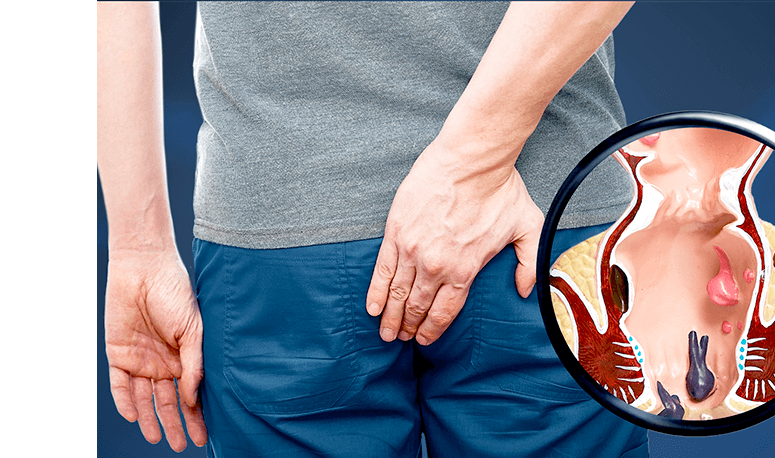
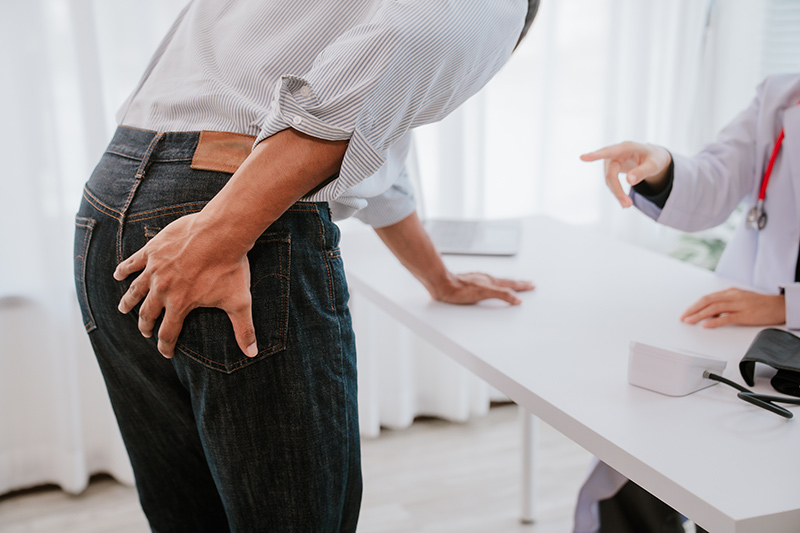



Anal fistula pain can be distressing and may interfere with daily activities and quality of life. Symptoms vary among individuals, ranging from mild irritation to sharp or throbbing discomfort. Regardless of severity, proper assessment is important to identify the underlying cause and guide treatment to relieve symptoms and reduce the risk of complications.
Why Does an Anal Fistula Cause Pain?
Anal fistula pain usually develops from a combination of factors rather than a single cause. A proper medical assessment helps identify the underlying cause of pain and guides appropriate treatment.
Common contributors include:
- Ongoing Infection and Inflammation: The fistula tract often remains chronically infected, leading to persistent swelling, tenderness and pressure in the surrounding tissues.
- Drainage and Skin Irritation: Continuous discharge of pus or fluid can irritate the skin around the anus, causing soreness, burning or itching.
- Sphincter Muscle Involvement: When the fistula passes through the anal sphincter muscles, it may trigger muscle spasm, leading to deeper aching pain.
- Pain During Bowel Movements: Passing stool can stretch and irritate inflamed tissue, resulting in sharp pain during defecation and discomfort when sitting.
What Are the Common Symptoms of Anal Fistula Pain?
An anal fistula is often accompanied by a cluster of signs indicating the presence of an abnormal tract and active infection, including:
- A constant throbbing or aching sensation in the anal region.
- A noticeable lump or localised swelling around the anus, indicating fluid build-up.
- The release of pus, blood or foul-smelling discharge.
- Pain that worsens with movement or defecation.
- Repeated episodes of abscesses or infections in the anal area.
How Can Anal Fistula Pain Be Managed Without Surgery?
Conservative measures may provide temporary symptom relief while awaiting further assessment or treatment. These approaches aim to reduce irritation, ease bowel movements and improve day-to-day comfort.
Pain Relief Medications
Over-the-counter pain relief may help manage mild to moderate discomfort. Medication should be used according to medical advice, particularly if symptoms persist.
Local Care and Lifestyle Measures
Wearing loose, breathable clothing can reduce friction and irritation. Avoiding prolonged sitting and taking regular breaks may also help reduce pressure on the affected area.
Hygiene and Warm Sitz Baths
Warm sitz baths, usually for 10 to 15 minutes, can soothe pain and reduce inflammation. After cleaning, the area should be gently patted dry to avoid further skin irritation.
Dietary Adjustments
A high-fibre diet and adequate fluid intake help soften stools and promote smoother bowel movements. This reduces the need for straining, which can aggravate the fistula tract, worsen inflammation and increase pain.
Stool Softeners
When constipation is present, stool softeners or mild laxatives may be recommended to support smoother bowel movements and reduce trauma to the anal canal.
It is important to note that these measures can help improve comfort, but they do not treat the underlying fistula. Persistent symptoms should be evaluated by a specialist.
How Can Anal Fistula Pain Be Managed with Surgery?
Surgery is often required to address the underlying fistula by removing or sealing the abnormal tract. Modern techniques aim to treat the fistula while preserving sphincter function. Common procedures include:
- Fistulotomy: This involves laying the fistula tract open so it can heal from the inside out. It is highly effective for simple fistulas that do not involve significant muscle.
- Seton Placement: A surgical thread (seton) is placed through the fistula to keep it open, allowing continuous drainage and preventing painful abscess buildup.
- Ligation of Intersphincteric Fistula Tract (LIFT): This technique involves tying off the fistula tract between the sphincter muscles, avoiding the need to cut the muscle itself.
- Video-Assisted Anal Fistula Treatment (VAAFT): This is a minimally invasive approach where a small scope is used to view and treat the fistula from the inside.
Pain Management After Anal Fistula Surgery
After anal fistula treatment, some discomfort during recovery is common. Pain is usually managed with prescribed medication and warm sitz baths. Proper wound care, including gentle cleaning and regular dressing changes, also supports healing and helps reduce irritation. It is important to follow the surgeon's aftercare instructions closely and attend scheduled follow-up appointments.
Achieving Lasting Relief From Anal Fistula Pain
Lasting relief from anal fistula pain depends on identifying and addressing the underlying cause rather than managing symptoms alone. While conservative measures may improve short-term comfort, definitive treatment is often necessary to treat the fistula and reduce the risk of recurrent infection or abscess formation. Early assessment by a colorectal specialist allows for a tailored treatment plan to support effective healing and long-term comfort.
Our anal fistula clinic provides comprehensive and personalised care for patients experiencing anal fistula pain and other colorectal conditions. The team is led by Dr Dennis Koh, Medical Director and Senior Consultant Colorectal Surgeon trained in the UK and Singapore, and supported by Dr Sharon Koh, who specialises in minimally invasive surgery, advanced endoscopy and inflammatory bowel disease, as well as Dr Pauleon Tan, who is experienced in both open and laparoscopic colorectal procedures. If you are dealing with persistent anal fistula pain or would like to explore suitable treatment options, schedule a consultation with our team for a thorough evaluation and tailored management plan.
Dr Dennis Koh
Medical Director & Senior Consultant Surgeon
B Med Sci (Nottingham), MBBS (Nottingham)
MMed (Surgery), FRCS (Edinburgh), FAMS
Dr Dennis Koh is an MOH-accredited and experienced colorectal surgeon skilled in anal fistula treatment; and currently the Medical Director at Colorectal Practice.
Dr Koh strives to provide a customized treatment plan for each patient, which allows for better outcomes. He also honed his skills in proctology abRd in Geneva, bringing a more diverse touch to his practice.
Dr Sharon Koh Zhiling
Senior Consultant Surgeon
MBBS (Singapore), MMed (Surgery),
FRCS (Edinburgh), FAMS
Dr Sharon Koh is an experienced colorectal surgeon and the former Director of Endoscopy at Alexandra Health.
Dr Koh completed her fellowship at Cedars-Sinai Medical Centre in the US after being awarded the Academic Medicine Development Award by the National University Hospital.
Dr Pauleon Tan Enjiu
Senior Consultant Surgeon
MBBS (Singapore), MMed (Surgery),
FRCS (Edinburgh), FACS
Dr Pauleon Tan has served in public hospitals for over 15 years and is experienced in minimally invasive surgery and endoscopy.
Dr Tan undertook advanced colorectal surgical training at Japan’s Saitama International Medical Center after being awarded the Ministry of Health – Health Manpower Development Plan (HMDP) Award.